
Property guides
Reading your EICR: observations, limitations and follow-up work
Understand how to read the findings of an electrical installation condition report and discuss the right next steps with a competent electrician.
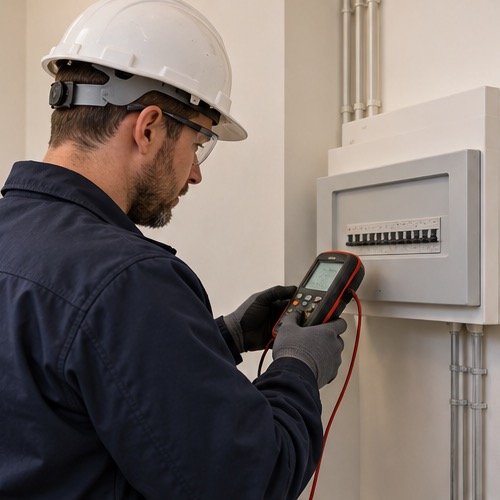
An Electrical Installation Condition Report records an inspection and testing of a property's fixed electrical installation. Its value is in the findings, agreed scope and recommended action, rather than just a satisfactory or unsatisfactory label. Read the complete document and ask the inspecting electrician to explain anything unclear.
Check the scope first
Confirm the property address and the extent of the installation covered. Look for agreed limitations, areas that could not be accessed and any equipment or circuits outside the instruction. A limitation does not establish that an unseen part is safe. If further access or investigation is needed, discuss how it will be arranged.
The report relates to the installation at the time of inspection. Later damage, alterations or signs of a fault should be considered on their own merits rather than dismissed because a report exists.
Understand the observations
An EICR can use classification codes to communicate the significance of an observation. C1 indicates danger present; C2 indicates a potentially dangerous condition; C3 indicates an improvement recommendation; FI identifies the need for further investigation. The code is assigned by the competent inspector using professional judgement and the applicable technical guidance.
Do not try to reclassify an observation from a photograph or a short description. The report and inspection evidence provide the context. Ask the electrician what each recorded observation concerns, what immediate precautions are needed and which action should be prioritised. Where danger is identified, follow the competent professional's safety instructions without delay.
Separate investigation from repair
Some findings require investigation before the full extent of a repair can be known. Others can be scoped more directly. Request a clear description of proposed work, the affected circuits or equipment, any planned interruption to supply and the documentation that will follow.
Receiving an EICR does not authorise additional work automatically. Agree the scope and price before repairs are arranged, while following any immediate safety advice. For rented properties, check the current official guidance and the timescales stated in the report; obligations depend on the relevant circumstances.
Keep the evidence together
Retain the original report and any follow-up certificates or written confirmation of remedial work. Link these documents to the correct property and installation so that an agent, owner or later electrician can understand what happened. Keep a record of outstanding items and who is responsible for arranging the next step.
For LPC bookings, use the order chat to ask questions about the report and access arrangements. If you are arranging a new instruction, view our EICR service or contact the team to discuss your property. We also handle electrical service enquiries, with work scoped separately.
Further reading
GOV.UK: Electrical safety standards guidance
Electrical Safety First: Best practice guide to EICR classification codes
Related guides

Understanding your domestic EPC: ratings, recommendations and next steps
Read the rating, check the evidence and use your EPC recommendations as a starting point for property-specific improvement planning.
Read article
Planning inspections across a property portfolio
Create a clear property schedule, agree access and keep reports organised when arranging inspections for several addresses.
Read article